
Founder CEO PinPoint Media
Navigating the New HFSS Landscape: A Guide for FMCG Marketers
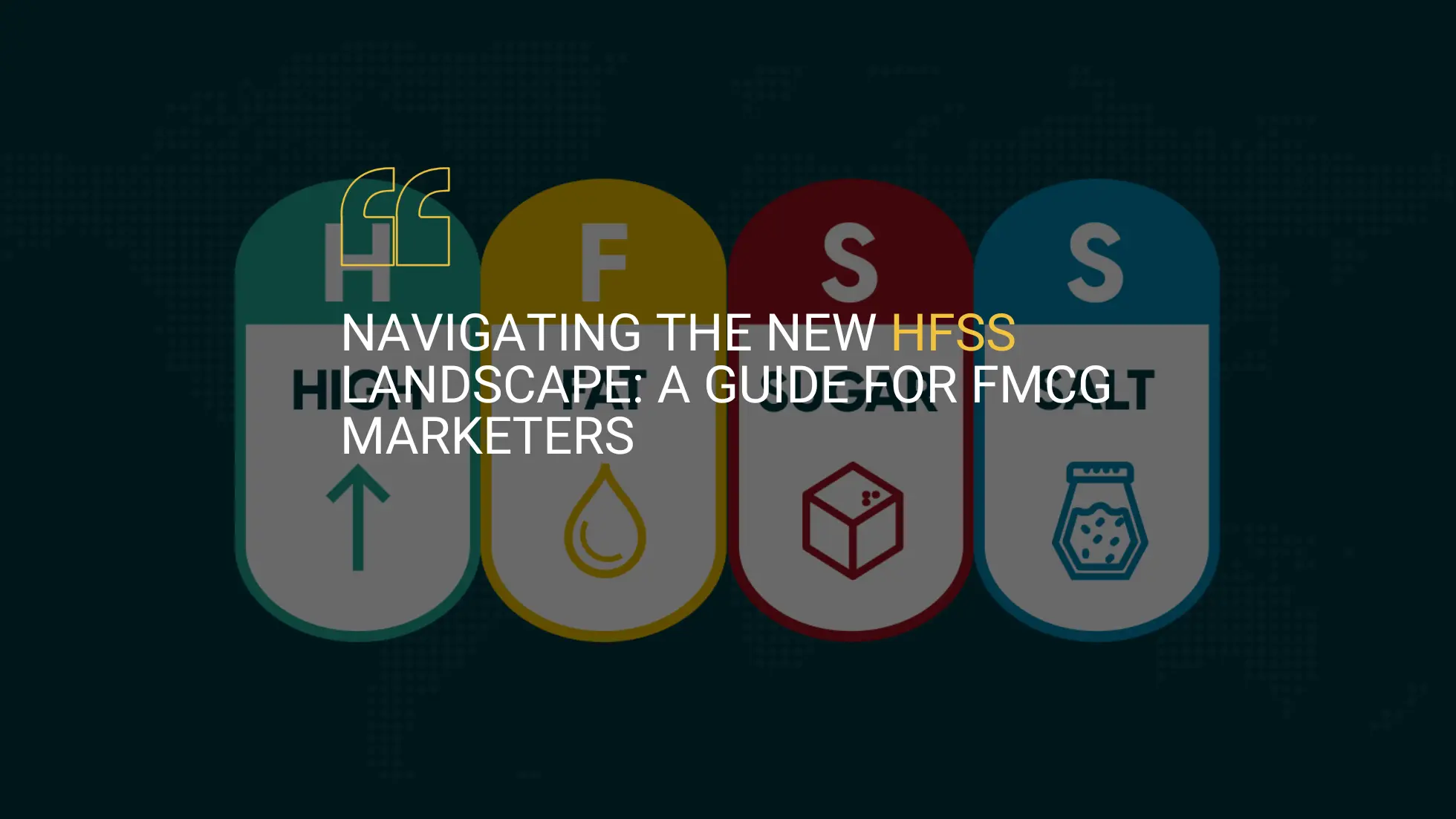
As we step into 2026, one of the most transformative shifts in the UK marketing landscape is the full implementation of HFSS (high in fat, salt and sugar) advertising legislation; you may also see this referred to as LHF (Less Healthy Food) regulation. Designed to curb childhood obesity and reshape consumer health behaviour, these regulations are already forcing brands to rethink how they communicate with audiences - particularly in the FMCG space.
At its core, the new rules introduce a 9pm watershed for HFSS product ads on television and a ban on paid HFSS advertising online, as well as a ban on price reductions or volume discount. It’s hard to know exactly how this will be implemented - or policed - but on the surface, these regulations impact creative and performance strategies in a major way.
1. How HFSS Legislation Is Changing Marketing Creativity
Traditional product-led campaigns are now largely off the table for HFSS items. Marketers can no longer lean on bright product shots in paid feeds, or use sponsored influencer content to promote sugary beverages or snacks. Even paid influencer collaborations featuring clearly identifiable HFSS products fall within the new restrictions.
This forces brands to pivot toward brand-centric storytelling. Instead of leaning on a fizzy drink or a packet of crisps, campaigns must focus on brand values, experiences, community, and cultural relevance - without showing the product itself. Content that may thrive could include founder stories, experiential content and focusing on compliant products as new customer hooks, as well as unique voices and insight.
2. Which Marketing Channels Still Work Under HFSS Rules?
With traditional paid channel strategy hampered, marketers are reallocating budgets and redesigning strategy. Many brands have already ramped up out-of-home (OOH) advertising, which sits outside the scope of the restrictions. OOH spend from food brands saw a significant uptick as early as 2024 as companies anticipated the legislation.
Fundamentally, though, the winners through this legislative change will be those who do not abandon paid media, but those who can adapt their strategy to continue reaching their critical audiences. Even amidst a more challenging marketplace, no other channel offers the precise, data-driven and targeted approach that has turned digital ad companies, like Meta, TikTok and Google, into transnational behemoths.
At the same time, organic social content, community engagement, and owned media platforms have become far more important. While paid ads for HFSS products are restricted, organic posts that don’t rely on promotion - such as educational content, CSR highlights, or engagement-driven storytelling - remain permissible. Email marketing, loyalty apps, and direct-to-consumer platforms are now strategic assets for brands wanting to maintain visibility without breaching regulations.
3. What HFSS Advertising Laws Mean for Influencer Campaigns
Influencers and creators remain valuable partners - but the nature of those partnerships is changing. Paid influencer content that showcases specific HFSS items is off limits. Instead, brands are exploring unpaid collaborations, brand building campaigns that highlight lifestyle or community aspects, or partnerships that focus on healthier product lines.
For restaurants and food service brands, the implications are particularly acute. Paid social ads showing burgers, desserts or sugary drinks are likely to be rejected by platforms under the new rules, pushing marketers to invest in menu innovation, experiential promotions, and PR-driven campaigns to boost awareness.
4. How Brands Can Avoid HFSS Advertising Penalties
Navigating the new HFSS rules isn’t just creative - it’s also legal and operational. Digital marketing teams now need robust compliance frameworks: ad copy reviews, product scoring checks (to determine HFSS status), and clear internal guidelines to avoid fines or content rejections. Technology platforms may also evolve to automatically flag restricted ads before they launch.
5. Why HFSS Rules Signal a Shift Toward Responsible FMCG Marketing
Ultimately, HFSS legislation is prompting the industry to rethink its role in public health. The challenge isn’t just compliance - it’s a chance to lead in responsible marketing. Brands that embrace this transition by promoting healthier ranges, investing in community education, and building meaningful brand narratives stand to win with consumers who increasingly value authenticity and purpose.
Distilling these regulations into what they mean for each and every brand is difficult, as every brand is different and the impact of these legislations and their enforcement is still a prediction. That said, we think these universal truths underlie the basis of new strategies:
Connection Over Conversion
What we know is that the classic bottom-of-funnel product catalogue or discount imagery is a thing of the past. Building true brand connection throughout the funnel will drive users from your compliant products to your non-compliant ones having garnered trust and authenticity.Responsibility Reaps Revenue
It can be tempting to scour any new legislation looking for the loophole that will allow your best-performing assets to stay in your marketing mix. The truth is, that isn’t sustainable, and chasing these ever-closing avenues keeps you reactive and unpredictable. Innovation in your creative or menu-offering, and embracing the aims of the legislation as positive societal changes rather than negative “red tape” will not only likely drive better community reaction, but is also likely to be seen favourably by enforcement agenciesActivity Over Assumptions
There are marketing experts and there are legal experts, and they’re rarely the same people. Ultimately, approaching the legislation is the right manner will involve testing and experimenting where those boundaries are, and in a digital world where data is king, a test-and-learn approach is the only way to scale your paid channels back to the revenue-drivers that they have been for years.
Summary
In 2026, HFSS legislation significantly restricts how FMCG brands can advertise less healthy products, banning paid online ads, introducing a 9pm TV watershed, and limiting price-led promotions. As a result, brands must pivot from performance-led product advertising to brand-led, compliance-first marketing strategies across paid, owned, and earned channels.
Key Takeaways for FMCG Marketers
Product-led paid advertising for HFSS items is no longer viable
Brand storytelling and compliant products become growth drivers
OOH, owned media, and organic social increase in importance
Compliance frameworks are now a core marketing capability
At PinPoint Media, we’re designing strategies for clients impacted by this legislation and already seeing positive reception - if you have any questions, we’re here to help you.